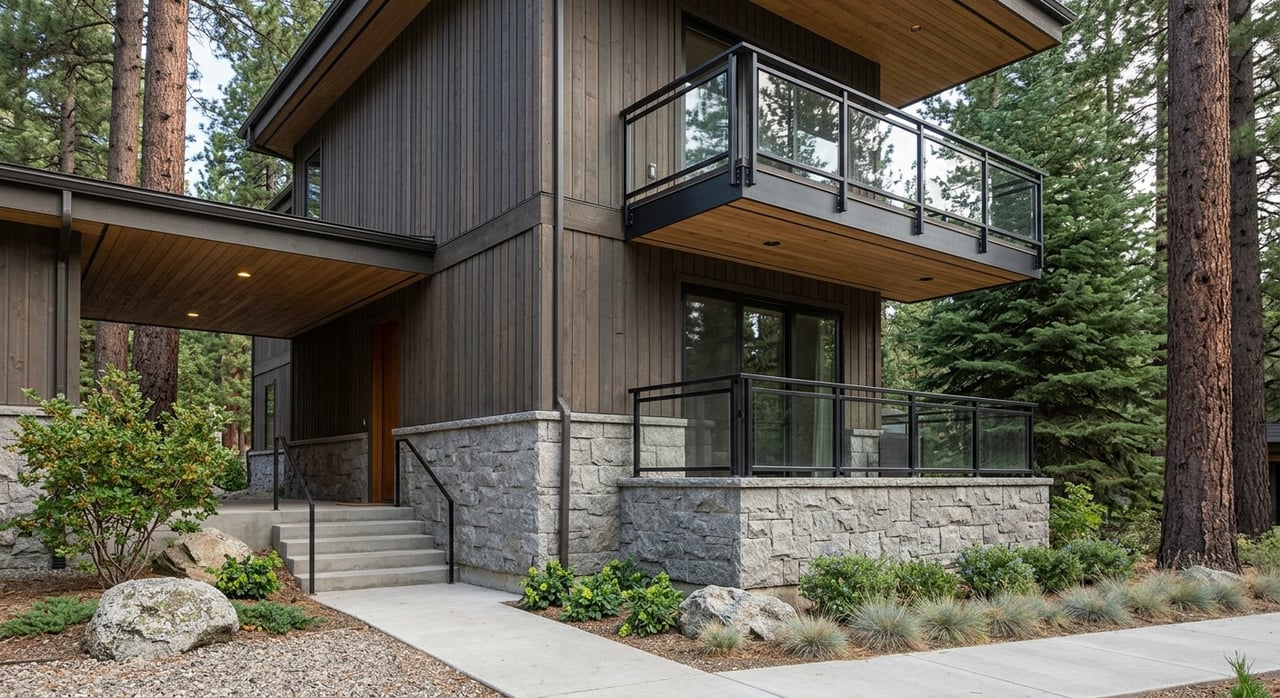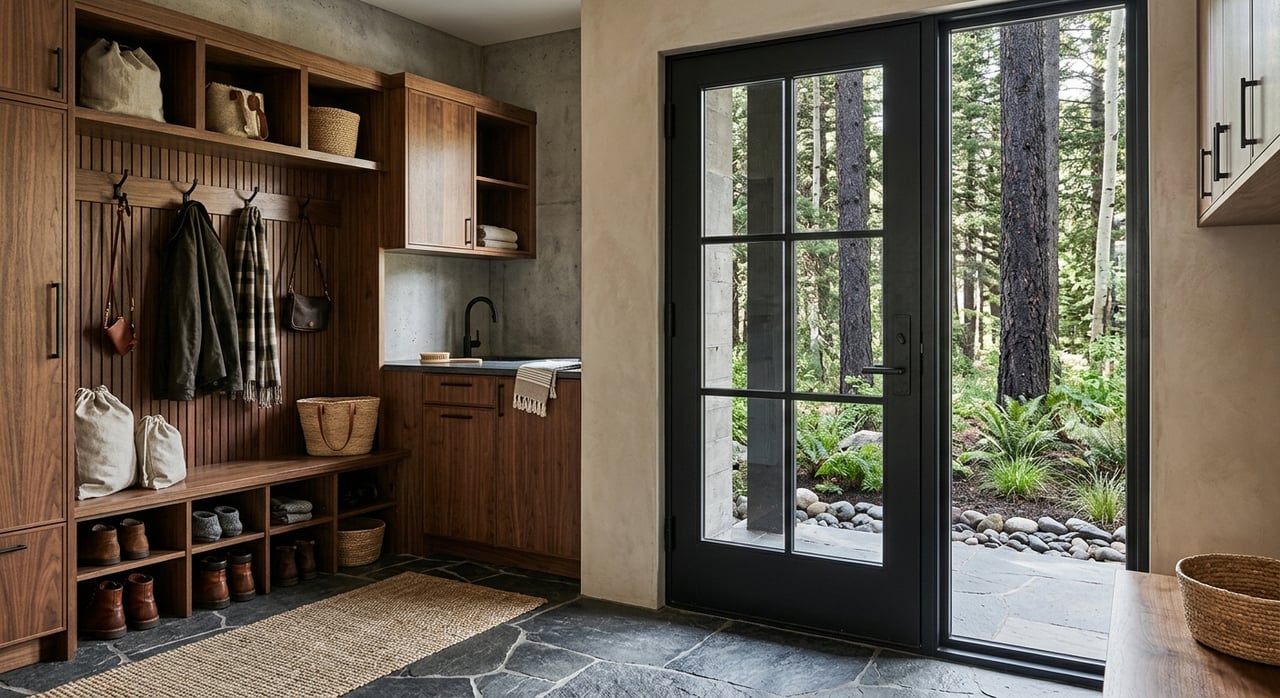
Thinking about making Incline Village your full-time home? It can be an exciting move, especially if you already love the Lake Tahoe lifestyle and want to make Nevada your true home base. The key is making sure your records, tax status, and household details all line up correctly so your transition is smooth from the start. Let’s walk through the main steps.
Confirm Primary Residence Status
Before you update anything else, make sure the home actually qualifies as your primary residence under Washoe County rules. In Washoe County, a primary residence is the home you designate as your primary residence in Nevada, exclusive of any other Nevada residence, and it cannot be rented or leased to anyone other than you or your family members.
That distinction matters because owner-occupied homes used as primary residences qualify for the county’s 3% tax cap. If the property is still rented, leased, or available for someone else’s exclusive use, it may not meet the county’s definition.
If your ownership setup is more complex, it is smart to pause and review it before reclassifying the property. Washoe County has separate review paths for trust-owned homes, homes with multiple owners, mixed-use properties, and homes shifting from rental use to primary use.
Check Your Tax Cap Record
Once you have confirmed the home should qualify, verify how the property is currently listed with the assessor. Washoe County says you can check tax-cap status by parcel number, address, or ownership.
If the status is incorrect, you can file the claim form online or return it to the Assessor. The assessor also mails claim forms so owners can confirm the correct status, which helps keep records aligned with actual occupancy.
For many buyers moving from part-time Tahoe living to full-time residency, this is one of the most important administrative steps. It can affect your annual carrying costs, so it is worth handling early.
Update Nevada DMV Records Quickly
If you are becoming a Nevada resident, your DMV records need to match that change. The Nevada DMV considers you a Nevada resident if you declare Nevada as your legal residence, live and work here, use Nevada as the home state for your vehicle, or claim Nevada residency benefits.
New residents must obtain a Nevada driver license and vehicle registration within 30 days. Nevada also requires you to file a change of address within 30 days of moving, and a postal forwarding order alone is not enough.
To transfer to a Nevada driver license, the DMV requires identity documents, proof of Social Security number, your current license or ID, and two proofs of Nevada residential address. You also must surrender your out-of-state license or ID when you obtain a Nevada one.
Update Vehicle Insurance and Registration
Vehicle details often trip people up during a residency change. Nevada requires Nevada insurance for Nevada vehicle registration, and out-of-state insurance is not accepted.
A practical order is usually the simplest one. Move in first, then update DMV records, then update vehicle insurance, and after that confirm your tax-cap and mailing address details.
That sequence helps keep your documents consistent across agencies and reduces the chances of mismatched records. If you are managing several vehicles, seasonal-use vehicles, or other titled assets, getting organized early can save time.
Keep Household Records Consistent
A primary-home move is more than one form or one office visit. The cleanest transition usually happens when your address and residency details are consistent across your DMV records, assessor records, insurer files, lender records, and voter registration.
Washoe County’s Registrar of Voters encourages residents to keep voter registration current and update it when they move. Even small record mismatches can create extra work later, so consistency matters.
Nevada’s Department of Taxation also notes that Nevada does not impose an individual or corporate income tax. Even so, you still need to think through your federal filings and any remaining ties to another state.
Prepare the Home for Year-Round Living
Living in Incline Village full time is different from using a home seasonally. You are not just changing where you sleep. You are setting up the property for everyday life through all four seasons.
Incline Village sits in unincorporated Washoe County, where municipal-type services are often delivered through local districts rather than a city utility structure. In practice, that means you will likely spend time confirming IVGID-related accounts and services instead of working through a traditional city department.
IVGID provides water, sewer, trash, and recreation services to Incline Village and Crystal Bay. If the home has been used as a second home, now is a good time to confirm account details, trash collection, and recreation access so the property is set up for daily use.
Make Wildfire Readiness Part of Move-In
Wildfire preparedness should be part of your move-in checklist from day one. North Lake Tahoe Fire Protection District serves Incline Village and Crystal Bay with four fire stations and provides emergency and non-emergency response, including structure fires, wildland fires, EMS, rescue, and specialized backcountry responses.
The district also offers defensible-space and fuel-mitigation guidance through its prevention division. Its fuels management information notes that the area has been listed as an Extreme Hazard and highlights ongoing fuels-reduction work intended to reduce wildfire risk.
For full-time homeowners, this is not a seasonal task. It is an ongoing part of responsible homeownership in the Tahoe basin, especially if you want to protect your property and stay ahead of maintenance needs.
Review Ownership and Tax Details Early
If your home is held in trust, has multiple owners, or has mixed-use or rental history, it is wise to review those details before you finalize your residency transition. Washoe County’s separate review paths on these issues are a strong signal that ownership structure can affect how primary-residence status is handled.
In those situations, many homeowners benefit from having a Nevada real estate attorney, estate-planning attorney, and CPA review the deed, trust language, and broader household tax picture. That kind of coordination can help you avoid avoidable delays or classification issues.
This is especially important for higher-value properties, long-held family homes, or households changing more than one residency-related record at once. A clean plan upfront is often easier than correcting details later.
Follow a Simple Transition Checklist
If you want to keep the process organized, focus on the move in a clear order:
- Move into the home and confirm it is no longer used as a rental or secondary occupancy setup that conflicts with primary-residence rules
- Verify the home qualifies as your primary residence under Washoe County guidelines
- Check the assessor record and confirm tax-cap status
- Update your Nevada driver license and vehicle registration within 30 days
- Switch to Nevada vehicle insurance if needed
- Update your mailing address and household records across key accounts
- Confirm IVGID services and year-round utility needs
- Build a wildfire readiness plan for the property
- Review deed, trust, or tax details with the right professionals if ownership is complex
This kind of structured approach helps turn a big lifestyle move into a manageable series of steps. It also makes it easier to enjoy the benefits of full-time life in Incline Village without loose ends hanging over the process.
For many buyers, the appeal of Incline Village is both practical and personal. You get the daily experience of Tahoe living, and if your move is handled properly, you can also align your records and homeownership status with Nevada residency rules from the start.
If you are weighing a second-home-to-primary-home transition in Incline Village or Crystal Bay, Heather Bacon can help you navigate the local market with a steady, informed approach and connect you with the right next steps for your move.
FAQs
What counts as a primary residence in Washoe County?
- In Washoe County, a primary residence is the home you designate as your primary residence in Nevada, exclusive of any other Nevada residence, and it cannot be rented or leased to anyone other than you or your family members.
How do I check my Washoe County tax-cap status?
- Washoe County says you can verify tax-cap status by parcel number, address, or ownership, and if the status is wrong, you can file the claim form online or return it to the Assessor.
When do new Nevada residents need to update DMV records?
- New residents must obtain a Nevada driver license and vehicle registration within 30 days, and they must also file a change of address within 30 days of moving.
Can I keep out-of-state car insurance after moving to Incline Village?
- No. Nevada requires Nevada insurance for Nevada vehicle registration, and out-of-state insurance is not accepted.
What local services should I confirm when moving to Incline Village full time?
- For full-time living in Incline Village, it is important to confirm IVGID-related services such as water, sewer, trash, and recreation access, since these services support daily year-round use.
Why should Incline Village homeowners think about wildfire preparedness?
- North Lake Tahoe Fire Protection District identifies the area as an Extreme Hazard and provides defensible-space and fuel-mitigation guidance, so wildfire readiness is an important part of year-round homeownership.