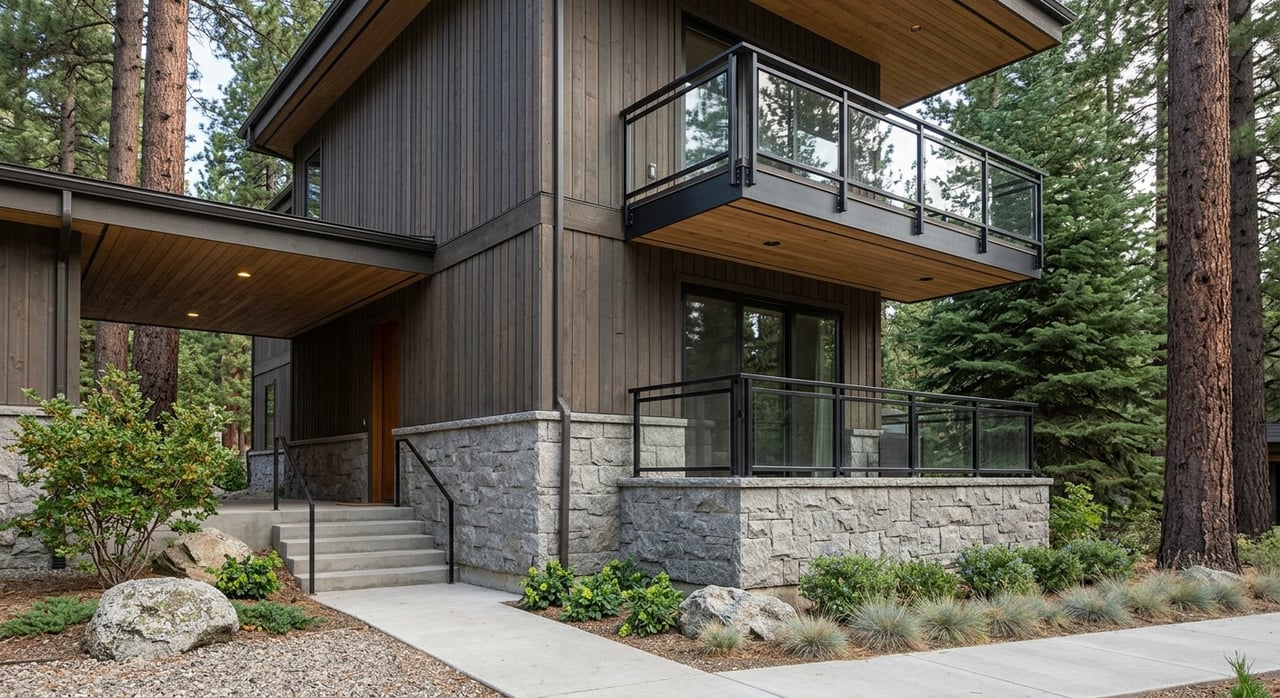
Looking at condos in Incline Village can feel simple at first glance, then quickly turn complicated. You might find a great location, appealing amenities, and a more lock-and-leave setup than a single-family home, but the real difference often comes down to HOA rules, district fees, parking, and access details. If you want to buy with confidence, it helps to understand how this market works before you write an offer. Let’s dive in.
Why Incline Village condos stand apart
Incline Village is a distinct condo market because land is limited and much of the area’s future growth is expected to come through redevelopment, not large new subdivisions. Washoe County’s Tahoe Area Plan also identifies the Incline Village Town Center as the community’s commercial and higher-density residential core. In practical terms, that means condo inventory is often concentrated in established areas rather than brand-new developments.
For you as a buyer, that creates a very local set of tradeoffs. A condo may offer less exterior maintenance responsibility than a house, but it also comes with shared costs, shared rules, and less control over the building itself. The better question is usually not whether a condo is better than a house, but which condo community best fits how you plan to live, visit, or potentially rent the property.
Where condo communities are clustered
Incline Village condos are not all built around the same lifestyle. Some communities are closer to the lake and town center, while others sit near golf, recreation, or the Ski Way corridor with convenient access to Diamond Peak.
A few community names buyers often encounter include McCloud, Incline Crest I near the College Boulevard area, L'Ermitage, Third Creek, and several Ski Way corridor communities such as Mountain Shadows, Burgundy Hill, and Tyrolian Village. These communities vary in layout, parking setup, amenity package, and proximity to local recreation.
That said, community names do not always tell the full legal story. HOA boundaries, parcel details, assigned parking, and amenity rights may not line up perfectly with how a property is casually marketed. Before you assume what comes with a unit, verify the exact association and what is actually tied to the property.
Why the HOA matters so much
In Nevada, condo governing documents are not just background paperwork. Under Nevada’s common-interest community law, the CC&Rs and related documents are binding parts of the title, which means they directly affect your ownership rights and obligations.
For most resale condos, the seller must provide a resale package with key documents. That package typically includes the declaration, bylaws, rules, current monthly assessments, unpaid obligations, the current budget, year-to-date financials with reserve information, pending judgments or litigation, transfer fees, and proof of required association insurance policies.
You also generally receive a five-day right to cancel after receiving the resale package or public offering statement. In addition, the reserve study must be reasonably available for inspection on request. That review period is one of your most important windows for understanding what you are really buying.
What to look for in condo documents
The resale package should answer more than just “What are the dues?” It should help you understand how the community functions and where your financial exposure may sit over time.
Pay especially close attention to these items:
- What the HOA maintains versus what you maintain
- Monthly dues and any unpaid balances
- Reserve funding and the current budget
- Special assessments, if any
- Pending litigation or judgments
- Insurance coverage carried by the association
- Rules for pets, guests, parking, storage, and exterior changes
In Incline Village, maintenance allocations can have a big impact on your ownership experience. Roofs, siding, decks, windows, snow removal, exterior painting, and common-area utilities are not handled the same way in every association. A condo can look low-maintenance on paper, yet feel far more expensive once you understand what remains your responsibility.
Understand rentals before you buy
If rental flexibility matters to you, confirm the rules early. This is especially important if you are buying a second home and want to keep future options open.
Washoe County says short-term rentals are rentals for less than 28 days, and condos can qualify under the county ordinance. But county approval is only one piece of the puzzle. The county also makes clear that its short-term rental ordinance does not override private HOA covenants, so a condo can be county-permissible and still be prohibited by the HOA.
For Incline Village and Crystal Bay properties in the Tahoe Basin, the short-term rental process includes defensible-space inspections conducted by the North Lake Tahoe Fire Protection District. The owner or a representative must be on-site for those inspections, and Washoe County uses HOA documentation when evaluating assigned or open parking.
If you are considering short-term rental use, verify these three layers together:
- Washoe County eligibility
- HOA rental restrictions
- The unit’s parking and occupancy setup
Factor in IVGID fees and access
One of the most important parts of buying in Incline Village is understanding that HOA dues are only part of the ownership-cost picture. Many buyers also need to account for district-level fees through IVGID, the Incline Village General Improvement District.
IVGID says property owners within the district are assessed an annual Recreation Facility Fee and Beach Facility Fee through the property tax bill. For fiscal year 2026-27, the combined fee is $1,530, made up of a $1,385 recreation fee and a $145 beach fee.
These fees matter because IVGID is tied to a broad local amenity system. According to IVGID, that includes golf, tennis and pickleball, beaches, parks, the recreation center, and other outdoor recreation programs. When you compare condo options, it is smart to evaluate the HOA amenities and the district benefits separately.
Do all condos come with the same beach access?
No, and this is one of the easiest assumptions to get wrong. IVGID manages four restricted-access beaches in Incline Village, and access is tied to valid IVGID passes or punch cards with beach access.
IVGID also says assessed parcels and dwelling units may be eligible for up to five Picture Passes or Recreation Punch Cards, which can provide reduced rates at IVGID venues and, where applicable, access to restricted beaches. The key phrase is “where applicable.” Before you buy, confirm the parcel’s current eligibility and do not assume every condo purchase comes with identical beach rights.
Condos for second homes or primary residency
Incline Village condos can work well for both second-home buyers and buyers planning a move to Nevada, but your due diligence should reflect your actual goals. A lock-and-leave condo may be ideal for weekend ski trips and summer lake time, while a full-time move may make parking, storage, and year-round access more important.
If you are relocating and plan to establish Nevada residency, there is a major statewide tax advantage. The Nevada Constitution says no income tax is levied on the wages or personal income of natural persons. For many buyers considering a primary residence shift, that is part of the larger Nevada value proposition.
Still, residency is not automatic just because you buy a property. The Nevada DMV says you must live at a Nevada street address, and the state’s residency guidance says new residents generally must obtain a Nevada driver license and register vehicles within 30 days of becoming residents. If that is part of your plan, it helps to line up the timing early.
A practical offer checklist
Before you write an offer on an Incline Village condo, make sure you have answers to the details that most affect day-to-day ownership and long-term cost.
Use this checklist as a starting point:
- Ask for the full resale package and reserve study
- Confirm monthly dues and any special assessments
- Verify exactly what the HOA maintains
- Review rules for rentals, pets, guests, parking, and storage
- Confirm association insurance coverage and deductibles
- Check whether IVGID facility fees appear on the tax bill
- Verify whether the parcel is entitled to district passes or beach access
- If relocating, prepare for Nevada DMV and registration deadlines
In this market, the best condo is usually not just the prettiest unit or the lowest monthly dues. It is the property whose rules, fees, parking, maintenance structure, and access rights match the way you actually plan to use it.
Buying in Incline Village often comes down to details that are easy to miss online but important once you own the property. If you want clear guidance on community differences, HOA review, and how a condo fits your second-home or Nevada residency goals, Heather Bacon can help you sort through the tradeoffs and move forward with confidence.
FAQs
What makes Incline Village condos different from condos in other markets?
- Incline Village has limited developable land, so much of the condo inventory is in established communities rather than large new developments, and buyers often need to compare HOA structure, location, fees, and amenity access very carefully.
What documents should you review before buying an Incline Village condo?
- You should review the resale package, including the declaration, bylaws, rules, budget, year-to-date financials, reserve information, current assessments, unpaid obligations, litigation disclosures, transfer fees, and association insurance information.
Can you use an Incline Village condo as a short-term rental?
- Possibly, but you need to confirm Washoe County eligibility, HOA rules, and the property’s parking and occupancy setup because county rules do not override HOA restrictions.
Do Incline Village condo owners pay IVGID fees?
- Many properties within the district are assessed IVGID Recreation Facility and Beach Facility fees through the property tax bill, so you should confirm whether those fees apply to the specific parcel.
Does every Incline Village condo include beach access?
- No, beach access is tied to valid IVGID passes or punch cards where applicable, so you should verify the parcel’s current eligibility rather than assume all condos come with the same access.
What should you verify about an Incline Village condo HOA?
- You should verify maintenance responsibilities, reserve funding, special assessments, insurance coverage, pet and guest rules, parking assignments, storage rights, rental restrictions, and any limits on exterior changes.
Can an Incline Village condo work for a Nevada primary residence move?
- Yes, but if you plan to establish Nevada residency, you should also prepare for residency-related steps such as obtaining a Nevada driver license and registering vehicles within the state’s required timeframe.