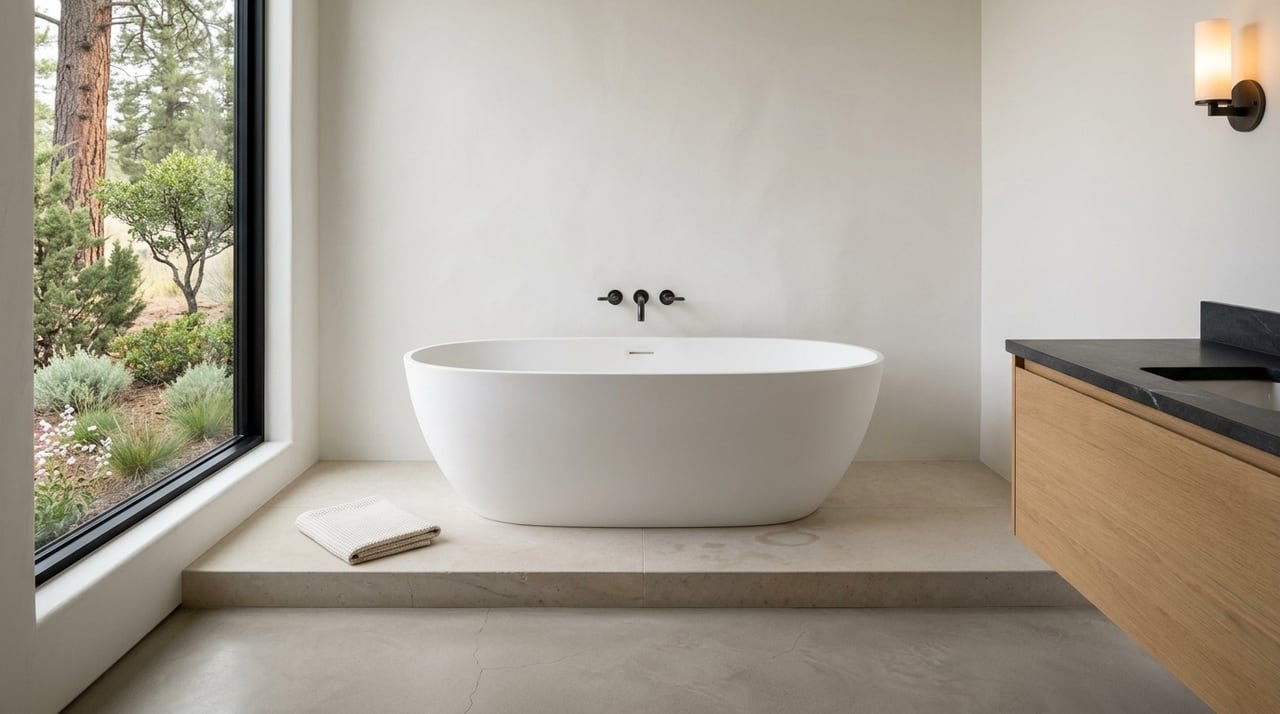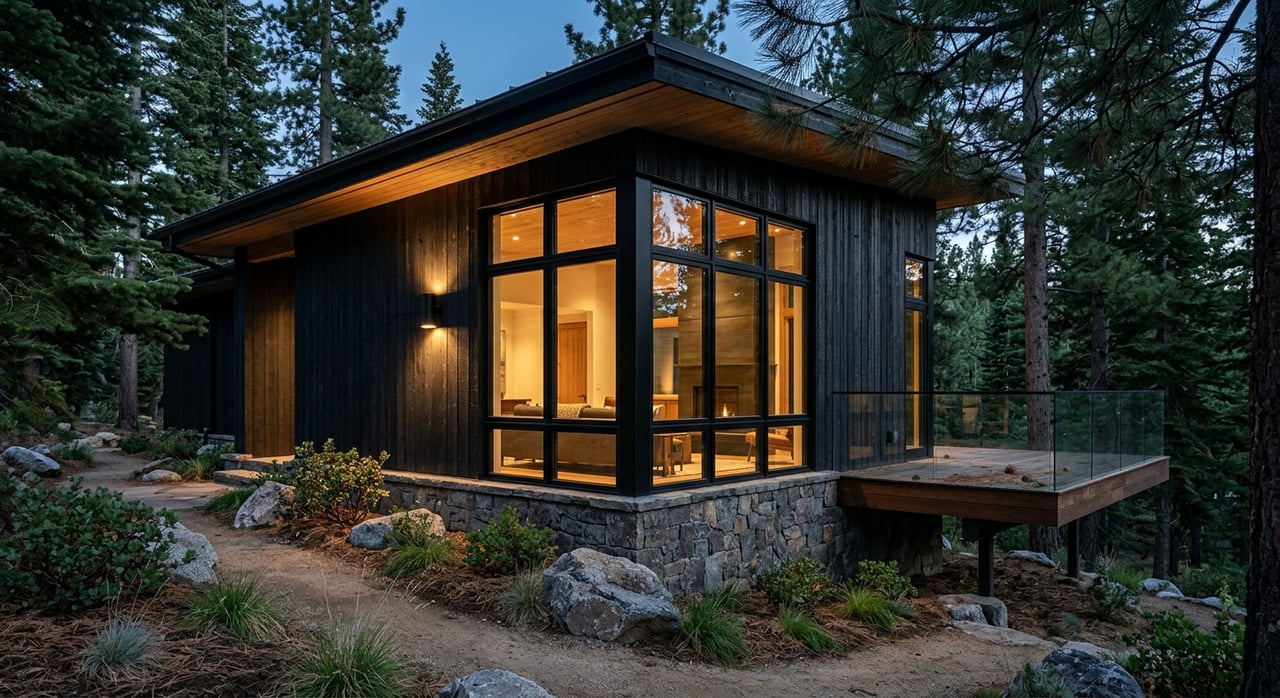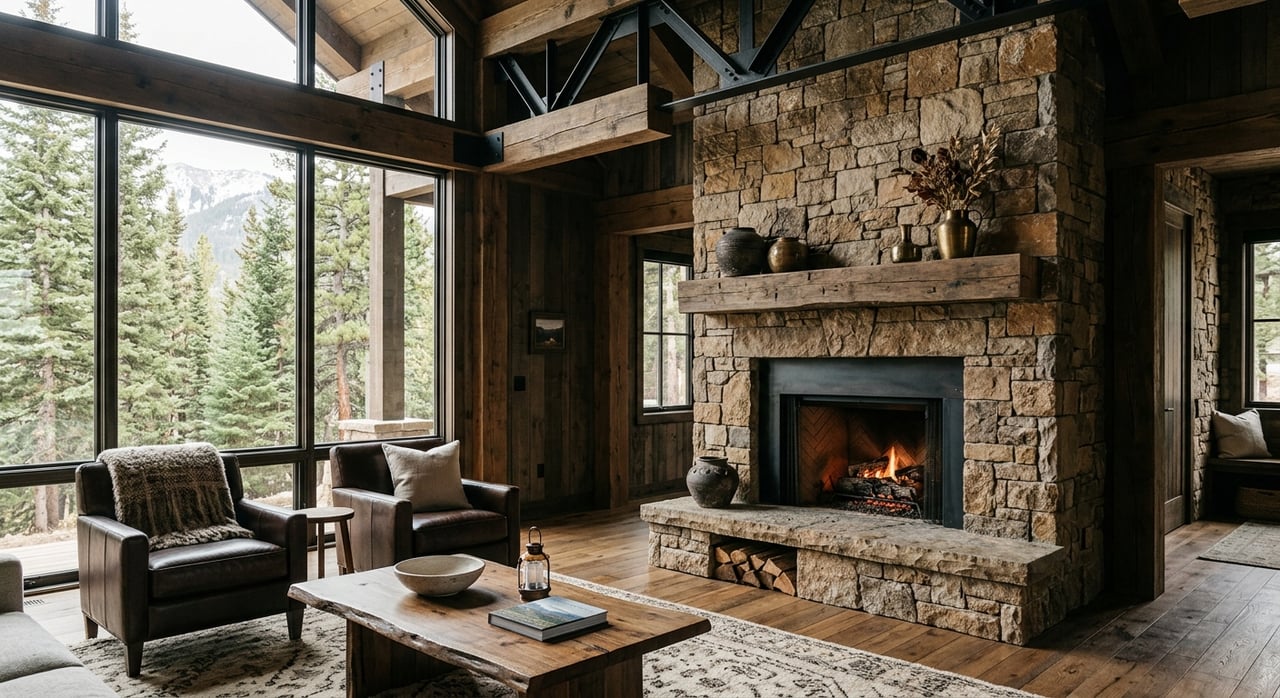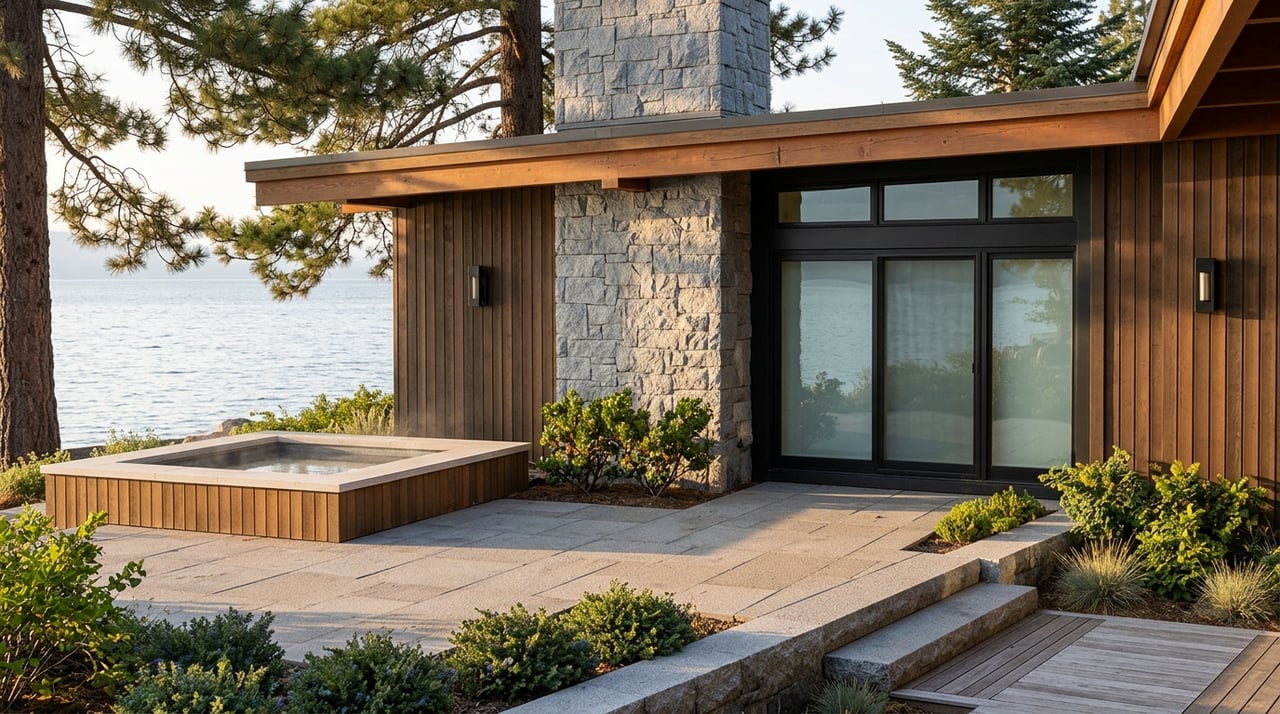
If you are thinking about making ArrowCreek your Nevada primary home, the decision is about more than finding a beautiful property. You are also choosing a daily routine, a community structure, and the practical steps that come with establishing Nevada residency. This guide will help you think through how ArrowCreek works for full-time living, what to evaluate before you buy, and which residency questions deserve early planning. Let’s dive in.
Why ArrowCreek works for primary living
ArrowCreek sits at the end of ArrowCreek Parkway in Reno, with the HOA noting that it is about 20 minutes from Reno-Tahoe Airport and 35 minutes from Lake Tahoe. For many full-time buyers, that combination stands out because it supports both everyday living and frequent travel. You can have a home base in the Reno foothills while keeping regional access convenient.
The community is also built around a structured neighborhood experience. According to the HOA, ArrowCreek includes a Residents’ Center, pools, a spa, trails, parks, 525 acres of common space, 21 miles of pathways, 26 miles of paved roads, and 1,082 residential lots. That scale can matter if you want more than a house and are looking for a neighborhood that supports an active routine.
Private golf is part of the ArrowCreek setting, but it is important to understand the distinction. The golf club is separate from the HOA and requires its own membership. If golf, club dining, or club fitness matters to your lifestyle, you will want to evaluate those details separately from the ownership costs and benefits tied to the HOA.
Daily life in ArrowCreek
For a primary-home buyer, lifestyle fit often comes down to repeatable habits. ArrowCreek’s strongest appeal may be how easy it is to build routines around the neighborhood itself. The HOA says the Residents’ Center, pool, and spa are open daily from 5:00 a.m. to 10:00 p.m., which can make early workouts, evening swims, and regular use part of normal life rather than a special occasion.
The trail system also shapes the experience of living here full time. The HOA notes that the trails blend into surrounding open space and forest land, so walking, cycling, and outdoor time can become part of your week without needing to drive elsewhere first. For buyers who value scenery and movement in the same place they live, that is a meaningful advantage.
Travel logistics are another practical part of daily life. ArrowCreek’s HOA provides systems such as Quick Pass, out-of-town notification forms, vehicle registration documents, and guest access procedures. The community also uses TownSq for account management, work orders, architecture requests, updates, and document access, which may appeal to buyers who split time between homes or want organized digital access to community operations.
What to evaluate in the home itself
ArrowCreek’s setting is beautiful, but the environment creates real homeownership considerations. The HOA says elevations within the gates range from about 5,060 feet to over 6,100 feet, and the community has distinct microclimates. That means two homes in the same neighborhood can feel different in winter sun, snow exposure, wind, and drainage.
Because of that, you will want to look closely at features that affect year-round use. Pay attention to driveway grade, garage access, drainage patterns, and sun exposure. These details may not stand out in a quick showing, but they can have a big effect on winter comfort and maintenance.
Climate is also part of the equation. The HOA notes average winter temperatures around 45°F, summer highs that can reach the high 90s, and snow coverage in winter, with roads cleared after each snow event. Even with road clearing, your own lot and home design still matter when it comes to ease of access and upkeep.
Wildfire resilience matters here
In this part of Washoe County, wildfire readiness should be part of your buying checklist. County guidance for homes in the wildland-urban interface emphasizes defensible space, vegetation management, fire-resistant materials, and proper storage of firewood and other combustibles. The Nevada Division of Forestry also says homeowners should contact their local fire protection district to schedule a defensible-space inspection.
For you as a buyer, that means asking specific questions before closing. You may want to understand current insurance considerations, landscaping requirements, tree maintenance, ember-resistant home details, and how the property has been maintained for wildfire resilience. These are not side issues in a foothill setting like ArrowCreek. They are part of responsible ownership.
HOA rules and design review
If you plan to personalize a home soon after purchase, ArrowCreek’s design-review process deserves close attention. The HOA states that any exterior modification to a structure or landscaping requires written approval before work begins. Even exterior paint changes require ADRC approval.
This is especially important if you are buying with a short renovation timeline in mind. If you hope to repaint, remodel exterior elements, add hardscape, or significantly update landscaping, review the CCRs, rules and regulations, and ADRC guidelines before you commit. A home that looks like a great canvas still needs to fit within the community’s approval structure.
Primary residence questions to think through early
If your goal is to use ArrowCreek as your Nevada primary residence, planning matters as much as the purchase itself. Nevada’s tax environment is often part of the appeal. The Nevada Constitution states that no income tax shall be levied on the wages or personal income of natural persons, and the Legislative Counsel Bureau notes that Nevada does not have a state income tax.
But moving into a home and establishing Nevada residency are not the same thing. The Nevada DMV says a resident generally must live at a Nevada street address and may be considered a Nevada resident if they declare Nevada as their legal residence, live and work or run a business in Nevada, use Nevada as the home state for their vehicles, or claim Nevada residency to receive state-specific benefits. The Legislative Counsel Bureau fact sheet also notes that vehicle registration and a Nevada driver’s license are required within 30 days after becoming a resident.
If you own another home in a different state, the details become even more important. Your records, timing, and intent should all align with your actual use of the Nevada property as your principal home. Buyers in this position should think through residency documentation before closing so they can act promptly after the purchase.
Washoe County tax cap and homestead topics
For many buyers, Washoe County’s primary-residence tax cap is a key part of the conversation. The county says the low 3% tax cap applies to a qualified primary residence, but the requirements matter. The property must be your Nevada primary residence, you cannot claim another Nevada home as a primary residence, and the home cannot be rented or leased to others outside your family.
There are also gray areas that deserve careful review. Washoe County notes that some trust beneficiary-occupied properties can qualify for the 3% cap, and that renting a room or a guesthouse or casita can affect the analysis. If your ownership structure or use plan is more complex, this is the time to involve the right professionals.
Homestead is a separate issue from the tax cap. Washoe County states that a recorded Declaration of Homestead can protect a principal residence up to the statutory maximum against certain general creditor claims, but not against mortgages, taxes, IRS liens, mechanic’s liens, child support, or alimony. The county also says owners should consult an attorney with legal questions, which is the smart move if you are deciding how to title the home or coordinate ownership with a trust.
Smart questions to ask before you buy
A confident ArrowCreek purchase usually comes from asking the right questions early. A few are about the home, but many are about fit.
Consider questions like these:
- How does the property feel in winter, especially the driveway, approach, and garage access?
- What maintenance has been done for defensible space and wildfire resilience?
- Which amenities come with the HOA, and which require separate club membership?
- If you want to make exterior changes, what approvals will be required?
- If this will become your Nevada primary residence, what documents should you prepare for residency, tax-cap, and title decisions?
For many high-intent buyers, these answers shape the decision more than finishes or staging. They tell you how the home will function once everyday life begins.
ArrowCreek’s real advantage
ArrowCreek stands out because it can serve two goals at once. It offers a foothill setting with structured amenities and outdoor access, while also supporting the practical needs of buyers who want a true Nevada home base. That balance is what makes it different from simply buying a luxury home in Reno.
If you are considering a move from a second home to a primary residence, or from another state into Nevada full time, the best approach is to evaluate both the property and the ownership plan together. In a community like ArrowCreek, the right home is the one that supports your routine, your travel patterns, and your long-term residency goals.
If you want help evaluating ArrowCreek homes through both a lifestyle and Nevada-residency lens, reach out to Heather Bacon to schedule a consultation.
FAQs
What makes ArrowCreek different from a typical Reno luxury neighborhood?
- ArrowCreek combines gated foothill living with HOA-managed amenities, extensive common space, pathways, and travel-friendly access to Reno-Tahoe Airport and Lake Tahoe, while private golf and club amenities are offered separately through membership.
What home features matter most when buying in ArrowCreek?
- In ArrowCreek, buyers should pay close attention to elevation, microclimate, driveway grade, garage access, drainage, sun exposure, and maintenance needs because weather and winter conditions can vary within the community.
What should buyers know about HOA and club access in ArrowCreek?
- The HOA includes community features such as the Residents’ Center, pools, spa, trails, parks, and common areas, while golf club amenities are separate and require their own membership.
What steps matter when establishing Nevada primary residency after buying in ArrowCreek?
- Nevada residency planning typically includes living at a Nevada street address, aligning your legal residence records, and completing items such as Nevada driver’s license and vehicle registration requirements within the state’s timelines.
What should buyers ask advisors about a Nevada primary home in ArrowCreek?
- Buyers should ask a Nevada attorney and CPA how to handle domicile documentation, title structure, trust ownership, the Washoe County 3% tax cap, homestead filing, and any planned rental or guesthouse use based on their specific situation.